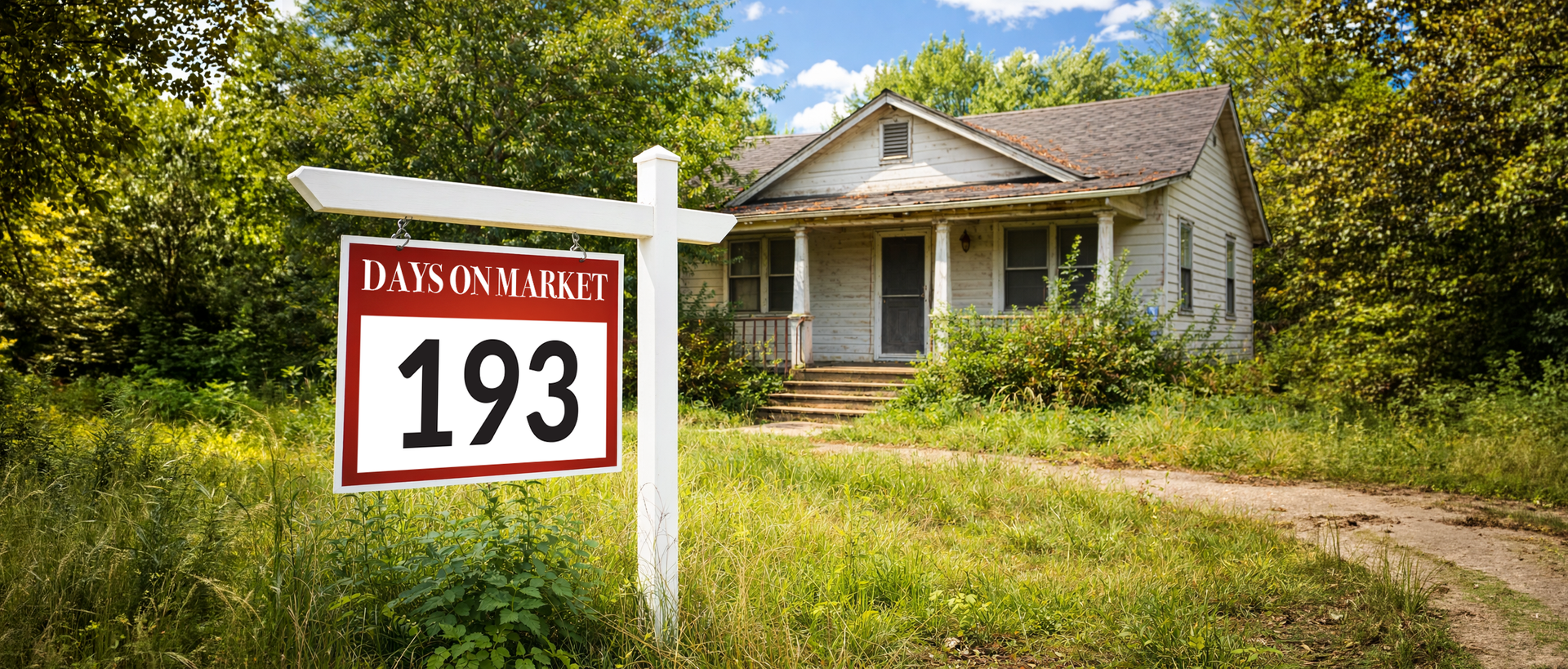

Selling to an Investor vs. a Realtor: Pros, Cons, and What You Actually Net
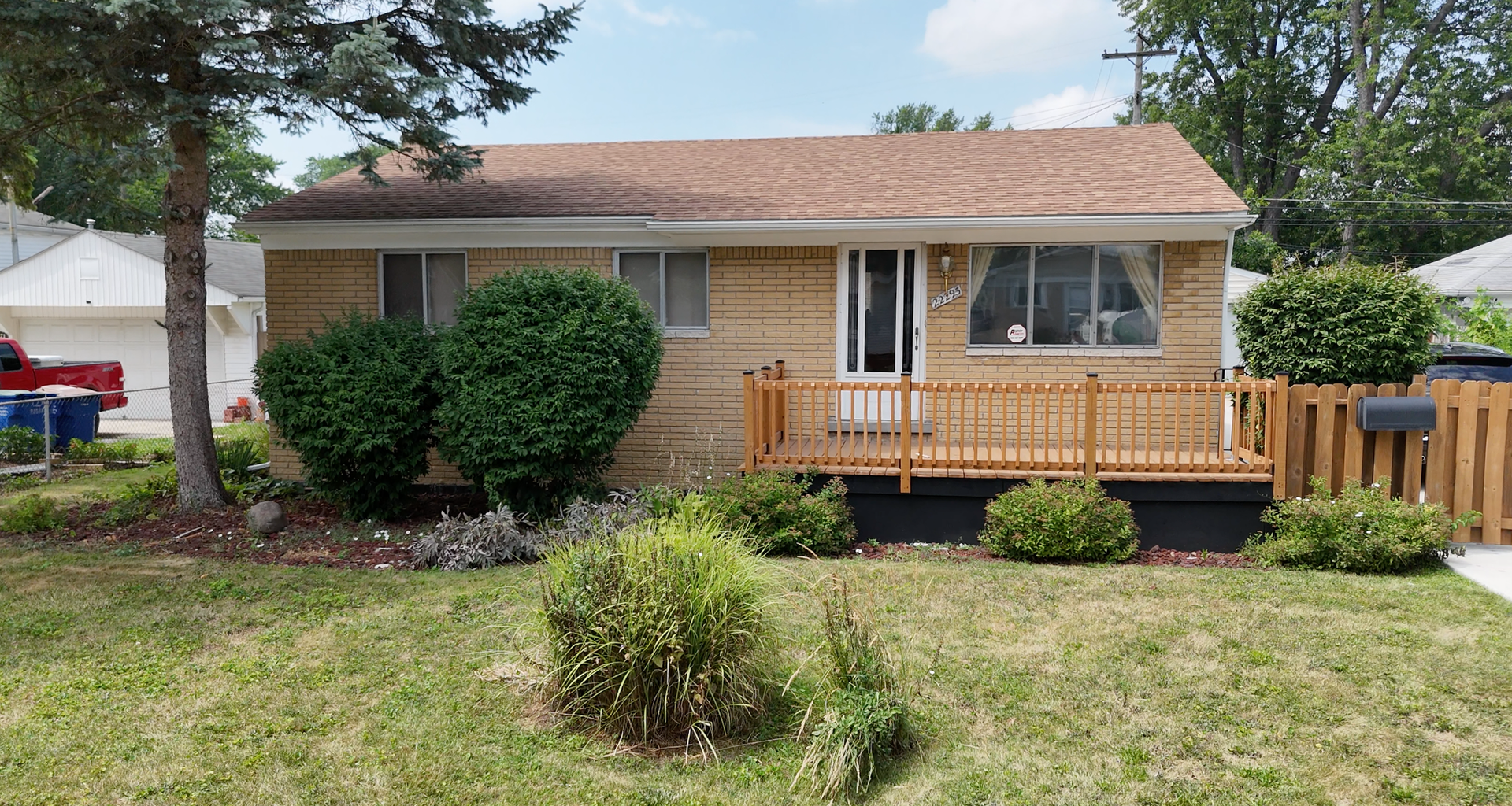
Selling to an Investor vs. a Realtor: Pros, Cons, and What You Actually Net
Selling to an investor gets you a cash offer in about 24 hours and a closing in 7 to 14 days, with no repairs, no showings, and no commission. Listing with a realtor usually brings a higher sale price, but it takes 60 to 90 days and costs 8 to 12 percent of that price in commission, repairs, and carrying costs. Your timeline and your home's condition decide which path nets more.
Most articles on this question are written by someone with a stake in the answer. Cash buyers describe the open market as a nightmare. Agents describe cash buyers as lowballers. Both are offering unique selling propositions.
Here is the honest version, with the arithmetic shown.
Investor vs. Realtor: Side-by-Side
| Sell to an investor | List with a realtor | |
|---|---|---|
| Time to get an offer | 24 to 48 hours | 2 to 8 weeks on market |
| Time to close after accepting | 7 to 14 days, your pick | ~30 days |
| Realistic total timeline | 1 to 3 weeks | 60 to 90 days |
| Sale price | 70 to 85% of after-repair value | At or near market value |
| Commission | $0 | ~2.88% listing side, plus any buyer-agent concession |
| Seller closing costs | Usually covered by the buyer | Title, transfer tax, attorney, prorations |
| Repairs before sale | None, sold as-is | Usually required, plus post-inspection credits |
| Showings and open houses | One walkthrough | Ongoing until it sells |
| Risk the deal dies | Very low, no lender involved | Real, financing and appraisal both can fail |
| Carrying costs while you wait | Two weeks of them | Two to five months of them |
| Best for | Speed, certainty, houses needing work | Maximum price on a move-in-ready home |
What "Selling to an Investor" Actually Means
"Investor" covers four different businesses, and the differences matter more than most sellers expect.
Local cash buyers
Small, often family-run companies that buy with their own money, renovate, and resell or rent. They set their own closing timeline because the funds are theirs. Jerry Buys Houses is
a licensed, family-owned company based in Clawson that has purchased more than 400 homes across Southeast Michigan.
Buy-and-hold investors
These buyers purchase to rent long term. Per the National Association of Realtors, individual investors and second-home buyers accounted for
15 percent of all transactions in August 2026, down from 21 percent a year earlier.
Wholesalers
Wholesalers do not buy your house. They sign a contract with you, then sell that contract to a real buyer for a fee.
ProPublica documented cases where sellers signed away properties that were resold, with few or no improvements, for far more than the seller received.
iBuyers
Algorithmic national platforms that quote fast and generally pay closer to market value than a distressed-property buyer, though a service fee and post-inspection repair deductions come off the top. Almost nobody uses them: NAR's REALTORS® Confidence Index puts iBuyer sales at 1 percent of all transactions.
Ask any cash buyer one question before signing:
are you buying this house yourself, or assigning the contract to someone else? A direct buyer answers that in one word.
Pros of Selling to an Investor
- You get a firm closing date: On your chosen closing date, you sign the paperwork and receive your cash payment. The entire process, from first contact to closing, can happen in as little as one week.
- No repairs, no cleaning, no showings: The house sells in its current condition. No painting, no new roof, no staging, no strangers walking through on a Sunday afternoon. For an inherited property full of 40 years of belongings, that alone changes the math.
- No commissions and no closing costs: The national average listing-side commission runs about 2.88 percent. On a $250,000 sale that is roughly $7,200 before you count the buyer's agent. A direct sale removes both sides, and a reputable buyer covers the closing costs too.
- The deal is far less likely to fall apart: NAR's Confidence Index reports that 7 percent of contracts were terminated over a recent three-month stretch, 14 percent had delayed settlements, and 6 percent were delayed by appraisal problems. Remove the lender and you remove all three failure points at once.
- It handles situations a listing cannot:
A foreclosure sale date. A divorce judgment with a deadline. An inherited house three states away. A tenant who will not cooperate with showings. Fire damage. A property that will never pass an FHA appraisal. The open market is a poor tool for any of these.
Cons of Selling to an Investor
- You trade price for speed: Cash buyers price from after-repair value, then subtract repairs, selling costs, and a margin. Jerry Buys Houses publishes that formula, which is more than most buyers do. The result typically lands at 70 to 85 percent of after-repair value on a house needing real work. Any buyer promising full market value in cash is either mistaken or not planning to close.
- Nobody is bidding against anyone: Listed homes received an average of 2.1 offers recently, and 16 percent sold above list price. One cash offer is one opinion of value. Getting a second opinion costs you nothing but a phone call.
- The contract deserves a real read: Watch for long inspection windows that let the buyer cancel at will, price-reduction clauses that trigger after you have already signed, assignment clauses, and extended closing dates with no penalty. A real estate attorney will read the whole thing for a couple hundred dollars. If an offer involves renting your home back after the sale, read the
FTC's warning on sale-leaseback deals first.
Pros of Listing with a Realtor
- The open market usually pays the most: A listing exposes your house to every financed buyer in the region. Owner-occupants buy emotionally and will pay for a kitchen they love. Investors buy arithmetically and will not.
- You get pricing and marketing expertise: A comparative market analysis, professional photography, MLS syndication to every major portal, and someone negotiating on your behalf. Sellers who price their own home tend to price it wrong in both directions.
- Your agent owes you a fiduciary duty: Licensed agents are bound by a code of ethics and answerable to a licensing board. Unlicensed cash buyers are not. That asymmetry is genuine and worth weighing.
Cons of Listing with a Realtor
- The real timeline is longer than "days on market": The median time on market was 31 days in August 2026, and contracts typically closed in another 30. Add prep time before the sign goes in the yard and the honest range is 60 to 90 days from decision to funds. Longer if the first deal collapses and you start over.
- You pay to get the house ready: Paint, flooring, a roof that will pass inspection, landscaping, staging, professional cleaning. Then the inspection comes back and the buyer asks for credits on top.
- Commission still comes out of your proceeds: Since the August 2024 NAR settlement, buyers negotiate their own agent's fee separately, so you are no longer automatically responsible for it. Plenty of Michigan sellers still offer a concession to widen the buyer pool, which puts real money back on the table.
- Deals fall through: While you wait, you keep paying the mortgage, property taxes, insurance, utilities, and lawn care. Those months are not free, and they rarely appear in anyone's comparison chart.
Run the Net Proceeds Math
Here is a realistic Southeast Michigan example: a house worth
$250,000 fully renovated that currently needs about
$30,000 of work.
Path A: repair it and list it
| Line item | Amount |
|---|---|
| Sale price | $250,000 |
| Repairs and updates to reach that price | -$30,000 |
| Listing commission at 2.88% | -$7,200 |
| Buyer-agent concession at 2.5% | -$6,250 |
| Michigan transfer tax at $4.30 per $500 | -$2,150 |
| Title, attorney, prorations, misc. | -$1,750 |
| Carrying costs, 5 months at $1,800 | -$9,000 |
| Post-inspection repair credits | -$2,500 |
| Net proceeds | $191,150 in roughly 5 to 6 months |
Path B: take a cash offer
| Line item | Amount |
|---|---|
| After-repair value | $250,000 |
| Repairs the buyer absorbs | -$30,000 |
| Selling costs the buyer absorbs | -$10,000 |
| Buyer's margin | -$25,000 |
| Cash offer | $185,000 |
| Commission | $0 |
| Closing costs | $0 |
| Repairs | $0 |
| Carrying costs, 2 weeks | -$900 |
| Net proceeds | $184,100 in 7 to 14 days |
The gap is about $7,050, roughly 2.8 percent of the home's renovated value. That is what five extra months, $30,000 of contractor risk, and a 7 percent chance the deal terminates are worth to you.
For many sellers, their situation dictates the best choice. Listing is higher value, however, cash is the easier sale, with lower investment, and shorter time. Some would take the $184,100 on Friday without blinking.
One honest caveat: if your house is already move-in ready, the listing path wins by a much wider margin. Drop the $30,000 repair budget and shorten the market time, and the same model puts the listing roughly $15,000 ahead. Cash buyers are not competitive on well-maintained homes, and no reputable one will claim otherwise.
Which Option Fits Your Situation?
| Your situation | Lean toward |
|---|---|
| House is updated and shows well, no deadline | List it |
| Foreclosure, tax sale, or court date on the calendar | Cash offer |
| Inherited property you cannot get to | Cash offer |
| Needs $20,000+ in work and you lack the cash to front it | Cash offer |
| Divorce, and both parties want a clean split fast | Cash offer |
| You want top dollar and can wait 90 days | List it |
| Tenant-occupied or non-cooperative occupants | Cash offer |
| Already listed and it has sat for months | Get both numbers |
| You want to test the market but need a guaranteed backstop | Get both numbers |
What Every Michigan Seller Should Know, Either Way
You still owe a seller's disclosure: "As-is" limits the repairs you will make. It does not waive your duty to disclose. Michigan's Seller Disclosure Act requires the statutory form at MCL 565.957, delivered before you sign a binding purchase agreement. Deliver it late and the buyer can terminate within 72 hours. Some transfers are exempt under MCL 565.953, including probate transfers by a personal representative who never lived in the home and foreclosure transfers. The form is keyed to what you actually know. Mark "unknown" when you do not know, and never guess.
Pre-1978 homes carry a federal lead-paint duty: Federal law requires sellers of most pre-1978 housing to disclose known lead-based paint hazards, hand over any records, provide the EPA's pamphlet, and give the buyer a 10-day inspection window. An as-is clause has no effect on that obligation. Plenty of Southeast Michigan housing stock predates 1978.
Michigan transfer tax comes out of your side: The state charges $3.75 per $500 of sale price and Oakland, Macomb, and most other counties add $0.55 per $500, for a combined $8.60 per $1,000. The seller is legally liable. On a $250,000 sale that is $2,150. If you are selling your principal residence for less than you paid, the state portion may be refundable.
Red flags worth walking away from
- Pressure to sign today, or "this price expires tonight"
- Earnest money under 1 percent, or none at all
- An assignment clause the buyer will not explain
- Insisting you use their title company with no alternative
- A memorandum of contract recorded against your property, which clouds your title and makes selling to anyone else difficult
- Any request for an upfront fee, your Social Security number, or bank details before a walkthrough
You Do Not Have to Choose Blind
The framing of this whole question is a little false. You are usually told to pick a lane before you know either number.
Jerry Buys Houses runs a Home Sale Guarantee that removes that guesswork. Two options, and you see both:
- Take a direct cash offer and close on your timeline, with no repairs, fees, or waiting.
- List with Tailored Real Estate Solutions, Jerry's partner agents, and test the open market.
If you list and the home does not sell, Jerry Buys Houses purchases it directly. You are never stuck on the market with no buyer and no plan. Title work runs through Titleocity on both paths. Jerry also works with agents on hard-to-sell listings, which is a decent signal that the cash-versus-agent rivalry is mostly marketing.
- See what past sellers have said, or read the cash home buyer process explained in full.
Common Questions About the Cash Home Buyer Process
Is it better to sell to an investor or a realtor?
Listing with a realtor usually produces a higher sale price, so it is the better choice for a move-in-ready home with no deadline. Selling to an investor produces a faster, more certain closing with no repairs or commission, which is better for homes needing significant work or sellers facing a hard deadline. Run the net proceeds math on both before deciding.
Do investors pay less than market value?
Yes. Cash investors typically pay 70 to 85 percent of a home's after-repair value, because they subtract repair costs, selling costs, and a profit margin from that figure. The discount is real, though it is partly offset by the commission, repairs, closing costs, and carrying costs you avoid.
How fast can I sell my house to an investor in Michigan?
Most cash buyers provide an offer within 24 to 48 hours and can close in 7 to 14 days. Jerry Buys Houses provides an all-cash offer within 24 hours of a walkthrough and closes in as little as seven days, or on a later date if you need more time.
Do I have to pay commission when I sell to a cash buyer?
No. A direct sale to a cash buyer involves no listing agent and no buyer's agent, so there is no commission on either side. Reputable buyers also cover the standard closing costs, meaning the agreed offer is the amount you receive.
Do I still need a seller's disclosure if I sell as-is in Michigan?
Yes, in most cases. The Michigan Seller Disclosure Act requires the statutory form at MCL 565.957 for one-to-four-unit residential property, and selling as-is does not waive it. Certain transfers are exempt under MCL 565.953, including probate transfers by a non-occupant personal representative and foreclosure transfers.
What is the difference between a cash buyer and a wholesaler?
A cash buyer purchases your house with their own funds and takes title. A wholesaler signs a purchase contract with you and then sells that contract to another buyer for a fee, without ever owning the property. Ask directly whether the buyer intends to close in their own name or assign the contract.
How many homes in Michigan sell for cash?
All-cash purchases made up 28.3 percent of Michigan home sales from January through April 2026, down 1.2 percentage points year over year, according to Realtor.com research. Nationally, cash accounted for 27 percent of August 2026 transactions per NAR.
Can I get both a cash offer and a listing?
Yes. Jerry Buys Houses offers a Home Sale Guarantee: list with partner agents at Tailored Real Estate Solutions to test the open market, with a guaranteed cash purchase as the backstop if the home does not sell. You see both numbers before committing to either path.
Get Both Numbers Before You Decide
There is no cost to finding out what a cash offer looks like on your house, and no obligation attached to it. Put that number next to what an agent thinks your house would list for, and the decision usually makes itself.
Get a free cash offer on your house, or call (248) 206-2185 and talk to Jerry directly. Serving Clawson, Royal Oak, Troy, Southfield, Novi, and the rest of Southeast Michigan.
This article is general information for Michigan home sellers, not legal or tax advice. Consult a Michigan real estate attorney or tax professional about your specific situation.
Recent Posts